In order to understand the intricate relationship between cholesterol and heart health, it’s essential to demystify the complexities surrounding LDL (low-density lipoprotein), commonly referred to as “bad cholesterol.” This article aims to simplify the topic by shedding light on the different types of LDL particles and offering insights into effective dietary approaches for lowering cholesterol levels naturally.
Understanding Cholesterol:
Cholesterol, being insoluble in water, requires transportation within the body. When assessing total cholesterol levels through a blood test, it’s crucial to recognize that it comprises various protein compounds, including HDL (high-density lipoprotein) and LDL. HDL is considered “good cholesterol” as it carries cholesterol from arteries and cells back to the liver. On the other hand, LDL, often associated with negative implications, transports cholesterol from the liver to cells or arteries.
The Importance of Particle Size:
Merely measuring LDL cholesterol levels might not provide a comprehensive understanding of one’s cholesterol profile. A more advanced lipid profile test, focusing on the particle size and count, helps identify the specific type of LDL particles present. LDL particles can exist in two forms: large, buoyant particles and small, dense particles. While large LDL particles are relatively benign and move effortlessly through the bloodstream, it is the small, dense LDL particles that are considered a significant concern due to their ability to penetrate the artery walls and contribute to atherosclerosis.
Unveiling the Impact of Small, Dense LDL: Metabolic syndrome, insulin resistance, obesity, and diabetes are some conditions associated with higher levels of small, dense LDL particles. It’s important to recognize that measuring total LDL cholesterol alone does not reveal the particle distribution. Understanding the presence of small, dense LDL particles becomes crucial as they are more likely to undergo glycation and oxidation, leading to arterial protein dysfunction, inflammation, and an increased risk of cardiovascular diseases.
Effective Dietary Strategies:
Lowering the level of small, dense LDL particles can be achieved through dietary modifications. Several foods have been shown to have a positive impact on reducing LDL levels. Incorporating these into your diet can contribute to better cholesterol management.
- Extra Virgin Olive Oil: Ensure you choose authentic extra virgin olive oil, as it has been associated with lower levels of small, dense LDL particles.
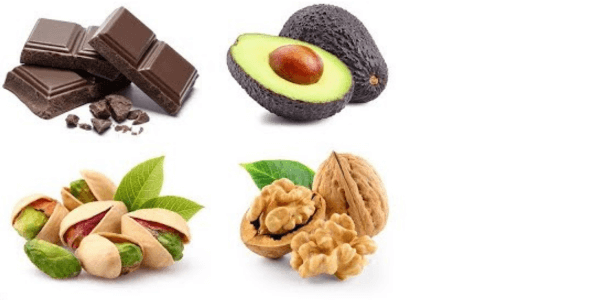
- Avocados: Rich in monounsaturated fats, avocados have been found to help lower LDL levels, including the small, dense particles.
- Fish Oil: Omega-3 fatty acids, particularly EPA, found in fish oil, have been shown to have a beneficial effect on reducing small, dense LDL particles.
- Pistachios: Adding pistachios to your diet has been linked to a decrease in the levels of small, dense LDL particles.
- Dark Chocolate: Opt for sugar-free dark chocolate, which contains flavonoids and antioxidants that may contribute to reducing LDL levels.
- Almonds: Incorporating almonds into your diet can help lower small, dense lipoproteins, contributing to better cholesterol management.
- Walnuts: Consuming walnuts has also been associated with a reduction in bad cholesterol levels.
Additional Natural Approaches: Apart from dietary interventions, certain lifestyle factors can help lower cholesterol levels naturally.
- Niacin: Niacin supplementation, under professional guidance, may influence particle size, shifting from small, dense LDL to large, buoyant LDL particles.
- Exercise: Regular physical activity has been shown to reduce the levels of small, dense LDL particles.
- TUDCA: TUDCA (tauroursodeoxycholic acid) can be beneficial in cases where bile deficiency hampers cholesterol reduction.
Genetic Considerations:
Individuals with genetic cholesterol disorders can still adopt a ketogenic diet with intermittent fasting. While limiting excessive fats, increasing consumption of fish oil and fish species can be beneficial without exacerbating the issue. Sugar, especially fructose, should be strictly avoided, as it tends to worsen the condition.
Conclusion:
Lowering cholesterol levels naturally involves a multifaceted approach, encompassing dietary modifications, exercise, and targeted supplementation. By understanding the significance of particle size and implementing the recommended dietary strategies, individuals can actively manage their cholesterol levels and reduce the risk of cardiovascular diseases. However, it is crucial to consult healthcare professionals for personalized guidance and a comprehensive understanding of individual cholesterol profiles.